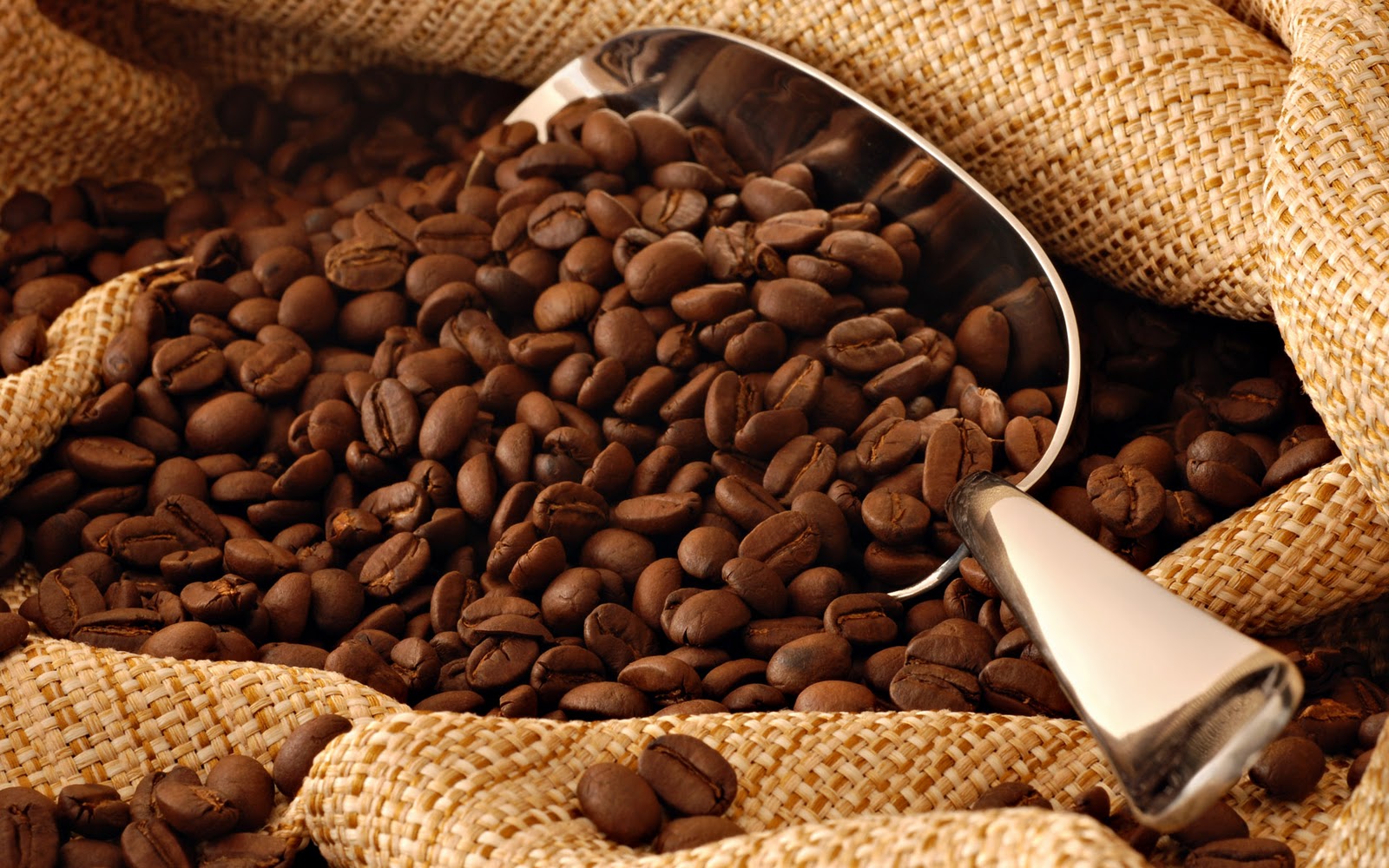
Brew has become a beloved custom for countless people around the planet, enriching each day with its full aroma and invigorating essence. But have website taken a moment to consider the path of those valuable coffee grain that deliver your coffee to life? From the sun-kissed farms where they are harvested to the meticulously crafted coffees served by skilled baristas, the path of coffee grain is a fascinating story of nature and craftsmanship.
In investigating this adventure, we immerse ourselves in the world of arabica coffee, celebrated for its velvety flavor and pleasing qualities, often heralded as the best coffee available. Whether you are finding high-quality coffee seeds online or finding out about the best seeds for coffee at your neighborhood shop, grasping the origins and preparation of these seeds boosts your appreciation for the coffees you enjoy. Join us as we follow the steps of coffee seeds from their simple beginnings on the plantation to becoming the best coffee you savor in your cup.
From Field: Nurturing and Collecting Coffee Beans
The journey of coffee beans commences on verdant farms, often situated in tropical regions where circumstances are optimal for growth. Coffee plants flourish in nutrient-dense soil, with temperatures varying between 60 and 70 degrees Fahrenheit and ample rainfall. Among the varieties grown, arabica coffee beans are highly sought after for their flavor and perfumed qualities. They account for the lion's share of global coffee production and are usually regarded as the finest coffee beans for a premium cup. The farming process demands careful oversight, as elements like elevation and weather conditions significantly affect the quality of the beans.
Once the coffee plants mature, they yield cherries that will be harvested when they achieve peak ripeness. This is a demanding process, as the cherries must be gathered with care to ensure only the best ones are chosen. Many farms employ skilled workers to manually select these cherries, particularly for arabica varieties, which demand a discerning eye. Fresh coffee beans are then handled right away to preserve their flavor, as the quality can degrade quickly once they are harvested.
After gathering, the cherries undergo various processing methods to extract the beans. The most widespread methods consist of wet and dry processing, each resulting in varying flavor profiles. For those looking for an excellent coffee experience, understanding these methods is essential, as they impact the final product. The beans are then air-dried and prepared for cooking, leading to the exciting flavors that characterize the top coffee in the market. Each step in this journey from farm to cup is essential in making certain that coffee enthusiasts receive satisfying coffee that meets their expectations.
Preparation and Roasting: Transforming Beans into Beverage
Once coffee beans are picked, they undergo a detailed processing phase that greatly affects their flavor profile. The primary methods of processing include the natural and washed methods. In the dry method, beans are spread out in the light to dehydrate, allowing them to cultivate unique flavor profiles. The washed method involves removing the pulp surrounding the beans prior to fermentation, resulting in brighter and crisper flavors. Understanding the processing methods helps coffee aficionados appreciate the subtle differences of their favorite arabica or robusta beans.
Following preparation, the subsequent step is toasting, where the transformation truly occurs. This stage is important as it is through roasting that the green coffee beans gain their rich flavors and aromas. Roasters vary the time and temperature to produce various roast levels, ranging from light roast coffee, which retains more of the bean's original characteristics, to dark roast coffee, which offers a more robust and bitter profile. The choice of roast can significantly impact the enjoyment of the finest coffee.
In conclusion, freshly roasted coffee beans must be handled with care to ensure maximum freshness. Coffee starts to lose its flavor 15 minutes after roasting, so it's best to consume fresh roasted coffee shortly after purchase. Numerous coffee companies now provide excellent options for coffee lovers to buy coffee beans online, guaranteeing that customers obtain freshly roasted coffee beans. more info from farm to cup highlights the significance of quality and freshness in enjoying the finest coffee in the world.
Brewing the Perfect Cup: Tips from Baristas
In order to brew the finest coffee, begin with picking the appropriate beans. Fresh coffee beans are essential for a full flavor, so search for options that are freshly roasted. Arabica beans are commonly favored for their complex flavor profile, making them a top-rated choice among coffee enthusiasts. As you are selecting coffee beans online, ensure they are obtained from trusted coffee companies that focus on quality and sustainability.
The coarseness of your coffee should align with your brewing method. For example, a smaller grind works well for espresso machines, while a larger grind is suitable for a press pot. It's also important to calculate the coffee-to-water ratio accurately. A common rule is two tablespoons of coffee for every 6 ounces of water. This balance will help you create excellent coffee that highlights the special characteristics of your chosen beans.
In conclusion, consider the brewing heat and time. Ideally, water should be in the range of 195 degrees to 205 Fahrenheit to extract the best flavors without burning the coffee. Brewing time changes by method; a dark roast coffee may need a longer extraction than a mild roast. Experimenting with these factors will help you uncover the ideal brew suited to your taste, ensuring you enjoy the top coffee in the world right from the comfort of your home.